GORE-TEX brand logo
Specification services

GORE-TEX Technical Support, Listed by Decision

A compact service path for teams that already know the application and need comparable material evidence.

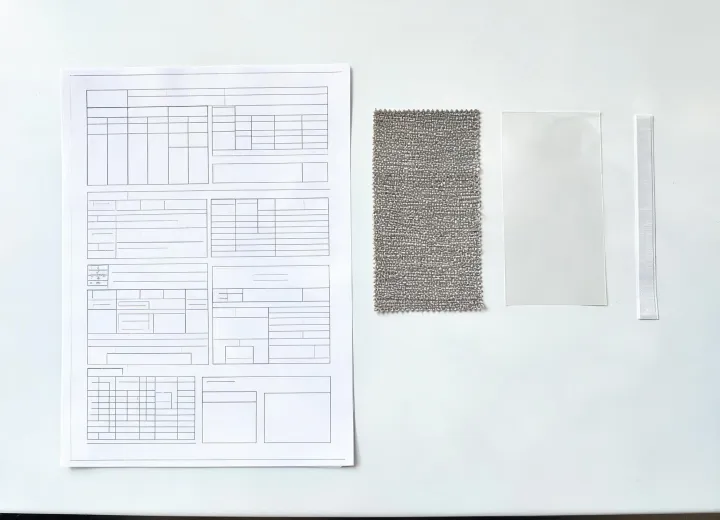
Performance textile specification worksheet and shell layers
01

Layer and construction definition

Record the face textile, barrier layer, backing, lamination or coating route, nominal GSM, tolerance, usable width, color and finish. A brand or membrane name alone does not establish the complete construction supplied to the garment program.

02

Water-resistance method alignment

Name the hydrostatic-head or other applicable method, pressure progression, specimen preparation, conditioning, result unit and pass level. Clarify whether the requirement applies to fabric, seam, component or assembled product.

03

Vapor-transfer interpretation

Identify whether the program uses MVTR, RET or another procedure, including temperature, humidity, orientation and units. Results from different methods cannot be ranked as though they share one scale.

04

Durability and aging plan

Define laundering, flexing, abrasion, contamination, UV or heat conditioning before re-testing. Initial performance does not establish behavior after the use and care sequence expected for the product.

05

Garment-system review

Map seams, seam tape, zippers, vents, cuffs, hoods, footwear bonds or other interfaces that can control water entry and vapor movement. Fabric evidence is one input to finished-product evaluation.

06

Production evidence handoff

Connect the approved sample, construction code, shade, test records, compliance documents, change triggers and production-lot inspection. A development specimen does not release every bulk lot.

The handoff also records sampling frequency, responsible reviewer and any deviation accepted for the order. If layer, adhesive, finish, color or process changes, applicability of the earlier evidence is reviewed before release.

Commercial review should state sample quantity, production quantity, MOQ, target date, destination and responsibility for testing. A technically suitable construction may still require changes when available width, seam route, minimum batch or aging schedule conflicts with the product program.

Request one method-aligned review

Provide the failure mode, test method, target, sample construction and assembly context.