
About GORE-TEX Textile Engineering
Performance language is useful only when the layer, specimen, method, conditioning and finished-product boundary can be identified.
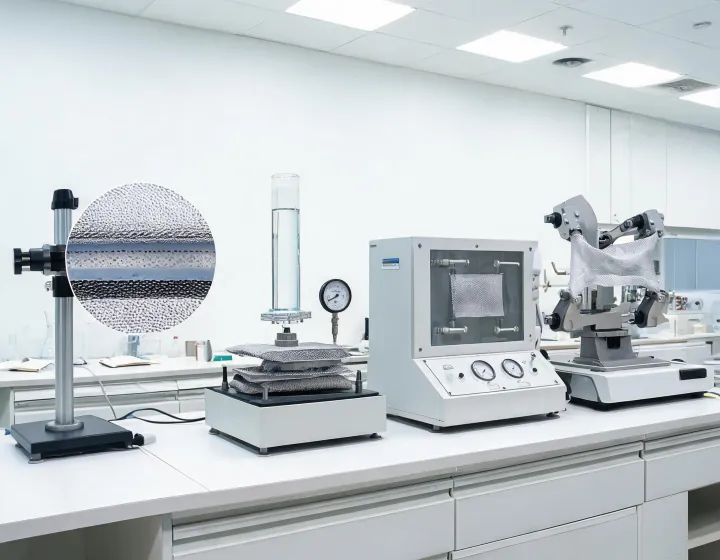
“Waterproof, breathable and durable are test questions before they are product conclusions.”
The technical approach begins with the use case and separates material-level evidence from garment-system performance. A hydrostatic-head result describes a defined specimen under pressure conditions. Vapor results depend on the selected method and environment. Abrasion or flex results depend on the face material, direction, load and conditioning. Seams, closures, pattern geometry and care can change the finished outcome.
This website does not assert ownership of a laboratory, mill, certificate, patent or production capacity. Actual manufacturing route, testing availability and document scope are confirmed for the material program under review.
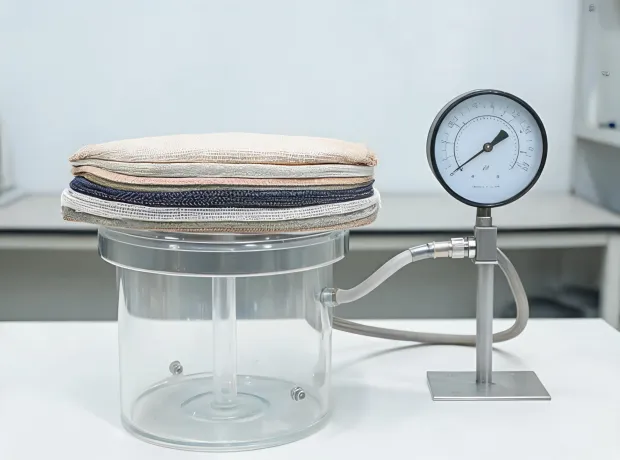
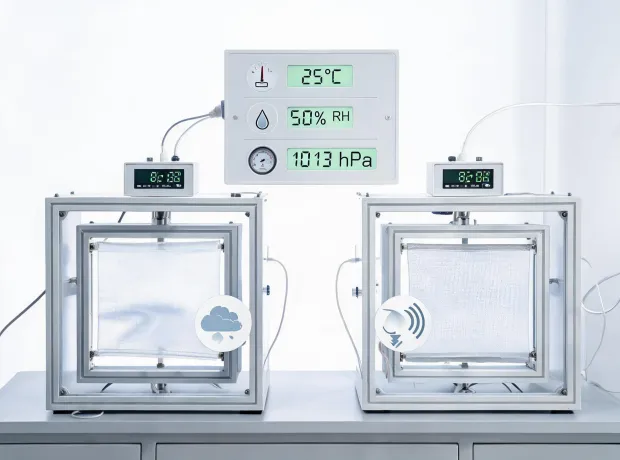
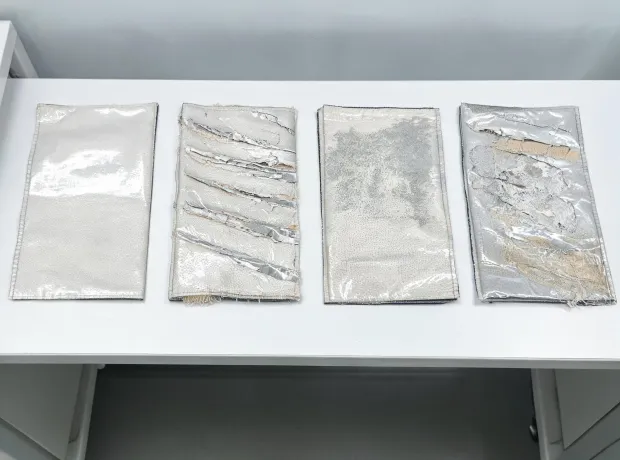
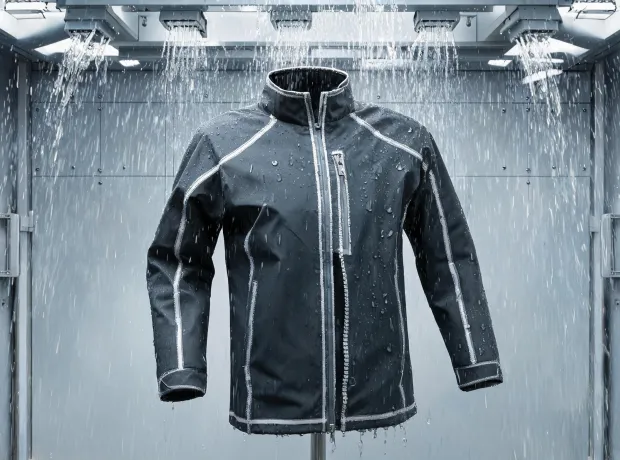
Four verification stations
Required technical record
- Specimen identity: face, membrane or coating, backing, finish, color and lot.
- Method identity: standard version, conditioning, orientation, repetitions, unit and pass level.
- Aging identity: laundering, abrasion, flexing, contamination or environmental exposure before retest.
- Product boundary: fabric result separated from seams, openings, adhesives and finished-product evaluation.
- Document scope: issuer, covered entity, product, market relevance and validity date.
These fields support interpretation; they do not create evidence where a brand asset or report is unavailable.
A complete record also identifies the decision owner and the change that would invalidate approval. Changes in face construction, membrane or coating, backing, adhesive, color, finish, lamination conditions or manufacturing route can require new sampling and testing. Production evidence is reconciled to the approved material and lot rather than inferred from an earlier development specimen.
Review the method before reviewing the number
Bring the specimen, standard, conditions and product decision.
Contact Technical Support